Please fill out the form below to request a quote or to request more information about us. please be as detailed as possible in your message, and we will get back to you as soon as possible with a response. we're ready to start working on your new project, contact us now to get started.
The Magnetic Force Behind Square Neodymium Magnets: Unveiling the Science
2026-09-03
Senz Magnet
57
Square neodymium magnets are a powerful and versatile tool with a wide range of applications in both industrial and everyday settings. Unlike round magnets, square neodymium magnets offer a consistent and stable surface for attraction, making them ideal for precision tasks. Their unique shape and magnetic properties set them apart, making them indispensable in various industries.
Understanding Square Neodymium Magnets
Square neodymium magnets are a popular choice for a wide range of applications, from industrial use to everyday household tasks. Their square shape is one of the most notable features, providing a consistent and stable surface for attraction. Unlike round magnets, which can sometimes wobble or lose their grip, square magnets offer a firmer and more reliable hold. This stability makes them ideal for applications where precision and consistency are critical.
The neodymium material at the core of these magnets is a key factor in their strength and durability. Neodymium is a rare earth metal that, when combined with other materials like cobalt and iron, creates a powerful magnetic field. This combination allows square neodymium magnets to exert tremendous force, making them suitable for tasks that require significant clamping power or weight.
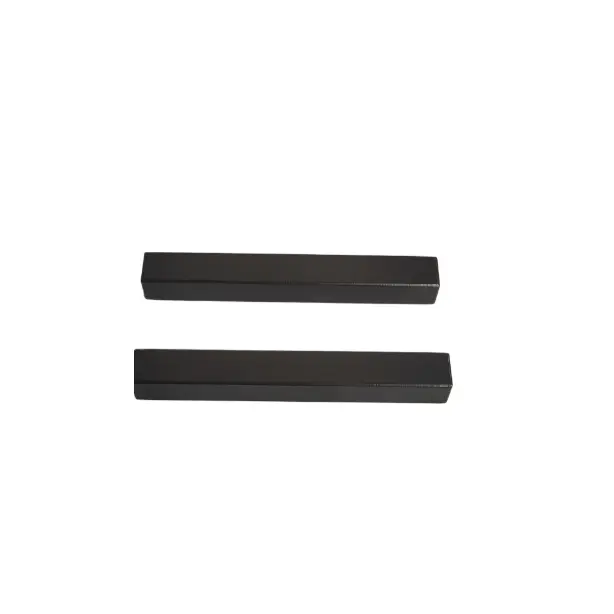
What Makes Square Neodymium Magnets Special?
The square shape of neodymium magnets is not just a design choiceits a deliberate feature that enhances their functionality. The flat, even surface of a square magnet ensures consistent contact with other surfaces, maximizing the magnetic force. This is particularly useful in applications where a steady and reliable hold is essential, such as in robotics, electronics, and home automation.
The composition of neodymium magnets is another critical factor in their strength. Neodymium is known for its high magnetic permeability, which means it can concentrate magnetic fields more effectively than other materials. This allows square neodymium magnets to maintain a strong magnetic field even when the distance between the magnet and the object being attracted increases.
Moreover, the combination of neodymium with other materials like cobalt and iron creates a highly saturated magnetic field. This saturation increases the magnetic force, making these magnets capable of holding extremely heavy objects with ease. In comparison to other types of magnets, neodymium magnets are significantly stronger, which is why they are often preferred in industries that require high-performance magnetic solutions.
The Science Behind the Magnetic Force: Magnetic Field Analysis
At the heart of the magnetic force of square neodymium magnets lies the concept of the magnetic field. The magnetic field is a region around a magnet where its magnetic force is exerted. In the case of square neodymium magnets, the magnetic field is generated by the alignment of magnetic domains within the material.
When a square neodymium magnet is created, the neodymium material is subjected to a strong external magnetic field during the manufacturing process. This causes the magnetic domains within the material to realign, creating a highly concentrated magnetic field. The alignment of these domains is what gives the magnet its strength and allows it to exert a powerful pull on other objects.
The magnetic field of a square neodymium magnet is not static; it changes dynamically based on the orientation and position of the magnet relative to the object being attracted. This dynamic magnetic field is what enables the magnet to hold objects firmly and consistently, even at a distance. Understanding the intricacies of this field is crucial for maximizing the magnet's performance in various applications.
Practical Applications and Industrial Uses
The unique properties of square neodymium magnets make them ideal for a wide range of industrial and practical applications. Here are some of the most common uses:
- Electronics: Square neodymium magnets are often used in electronic devices to hold components in place. For example, they can be used to secure screws, bolts, or other small parts during assembly. In some cases, neodymium magnets are even used as anti-loose parts, which prevent screws from loosening over time. A great example of this is in the fabrication of smartphone cases, where magnets ensure the case remains securely attached.
- Robotics: In industrial automation and robotics, square neodymium magnets are used to create secure and reliable connections between components. They are often used in conjunction with other sensors and actuators to ensure precise control and stability. For instance, in robotic arms, these magnets help keep the arm stable and guide it to the correct position.
- Home Automation: Square neodymium magnets are widely used in home automation systems. They can be used to secure sensors, cameras, or other devices, ensuring that they remain in place and function properly. In smart homes, these magnets are crucial for maintaining the integrity of systems like smart locks or security cameras.
Manufacturing and Production Processes
The production of square neodymium magnets involves several key steps, each of which plays a critical role in ensuring the final product's quality and magnetic strength. The process typically begins with the melting and shaping of raw neodymium ore into a molten state. This molten ore is then subjected to a series of refining processes to remove impurities and enhance the magnetic properties of the material.
Once the raw material is ready, it is mixed with other materials, such as cobalt and iron, to create a high-performance magnetic alloy. This alloy is then formed into a molten state and subjected to a strong external magnetic field during the molding process. This step is crucial because it ensures that the magnetic domains within the material are aligned, creating a powerful and consistent magnetic field.
The mold used in the production of square neodymium magnets is carefully designed to ensure that the final product has a perfect square shape. The cooling process that follows the molding step is also critical, as it allows the magnetic properties of the material to solidify and reinforce themselves, resulting in a magnet with exceptional strength and durability.
Throughout the manufacturing process, strict quality control measures are in place to ensure that each magnet meets the highest standards of performance and reliability. This includes testing the magnetic strength, durability, and consistency of each magnet before it is packaged and shipped to customers.
Environmental and Safety Considerations
While square neodymium magnets are incredibly useful in a wide range of applications, there are also some environmental and safety considerations that must be taken into account. One of the most significant concerns is the potential environmental impact of the production and disposal of these magnets.
The production of square neodymium magnets involves the extraction and processing of rare earth materials, which have a significant environmental impact. The mining and refining of neodymium ore can have far-reaching environmental effects, including the release of toxic chemicals into the environment and the depletion of natural resources.
To address these concerns, many companies are now focusing on the recycling and reuse of square neodymium magnets. Recycling programs can help reduce the environmental impact of these magnets by keeping them out of landfills and repurposing them for new applications. Proper disposal and recycling practices are also being emphasized to ensure that these magnets are disposed of in a safe and environmentally responsible manner. For example, specialized recycling plants can recover neodymium and other rare earth elements from old magnets, which can then be used to make new ones.
Safety is another important consideration when working with square neodymium magnets. These magnets can be incredibly strong, and there is a risk of injury or damage if they are not handled properly. Proper safety precautions, such as using insulated tools and wearing protective gear, are essential to ensure that workers remain safe when handling these magnets. Employers should provide comprehensive training on how to handle and store neodymium magnets safely, including guidelines on personal protective equipment (PPE).
Future Trends and Advancements
As technology continues to evolve, there are several emerging trends and advancements in the field of neodymium magnets that are worth exploring. One of the most exciting developments is the ongoing search for new and improved magnetic materials that can surpass the current performance of square neodymium magnets.
Scientists and engineers are working on developing new types of magnets that combine the strength and durability of neodymium with other advanced magnetic properties. For example, researchers are exploring the use of hybrid materials that combine neodymium with other rare earth metals to create magnets that are even stronger and more efficient. These hybrid materials could revolutionize industries that rely heavily on magnetic technology.
Another area of active research is the development of precision magnetic alignment systems. These systems use advanced technology to ensure that neodymium magnets are aligned perfectly, maximizing their magnetic strength and stability. This is particularly important in applications where precise control and alignment are critical, such as in robotics and automation. For instance, in the manufacturing of complex machinery, these systems can help ensure that components are accurately positioned, enhancing overall performance.
Additionally, there is a significant focus on the use of neodymium magnets in energy storage and renewable energy applications. Neodymium magnets are being used in a variety of energy-related technologies, including electric vehicles, wind turbines, and solar panels. The strong magnetic fields of neodymium magnets make them ideal for storing energy efficiently and ensuring that devices remain powered even during periods of low or no energy generation. In the context of electric vehicles, these magnets are crucial for the efficient operation of motor drives, enabling smooth and powerful performance.
Finally, there is a growing interest in the environmental and sustainability aspects of neodymium magnets. As the demand for these magnets continues to grow, there is a growing emphasis on reducing the environmental impact of their production and disposal. This includes exploring alternative materials for neodymium magnets, improving recycling and reuse processes, and developing more sustainable manufacturing practices. For example, researchers are exploring the use of more eco-friendly methods for mining and refining rare earth materials, which can significantly reduce environmental degradation.
Conclusion
Square neodymium magnets are a powerful and versatile tool with a wide range of applications in both industrial and everyday settings. Their unique shape, magnetic properties, and durability make them an essential component in many systems and devices. However, the production and disposal of these magnets also raise important environmental and safety considerations that must be addressed to ensure their responsible use.
As technology continues to advance, there is a growing focus on developing new and improved magnetic materials and systems that can push the boundaries of what is possible with magnetic technology. By staying informed about the latest developments in the field and embracing best practices in production and disposal, we can ensure that square neodymium magnets remain a valuable and sustainable resource for years to come. The future looks bright for these incredible magnets, and with continued innovation and responsible use, they will undoubtedly play a vital role in shaping our technological landscape.
Table of Contents
GET IN TOUCH WITH Us
Contact: Iris Yang & Jianrong Shan
Tel: +86-18368402448
E-mail: iris@senzmagnet.com
Address: Room 610, 6th Floor, Foreign Trade Building, No. 336 Shengzhou Avenue, Shanhu Street, Shengzhou City, Shaoxing City, Zhejiang Province, 312400
Copyright © 2026 Shengzhou Senz Magnet Co., Ltd. |Sitemap| Privacy Policy